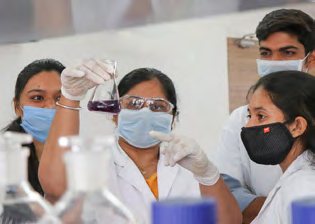
Real projects where accredited testing and expert interpretation turned a compliance or quality problem into a measurable result.
A Gujarat textile manufacturer was struggling to meet effluent discharge norms, with fluctuating COD and colour loads threatening GPCB compliance and production continuity.
HydroLabs conducted a treatability study on the existing ETP — characterising the effluent, jar-testing coagulant and oxidation options, and modelling the impact of process changes before any capital was spent.
COD, BOD, TSS, TDS, colour, pH, oil & grease and heavy metals across raw, intermediate and treated streams.

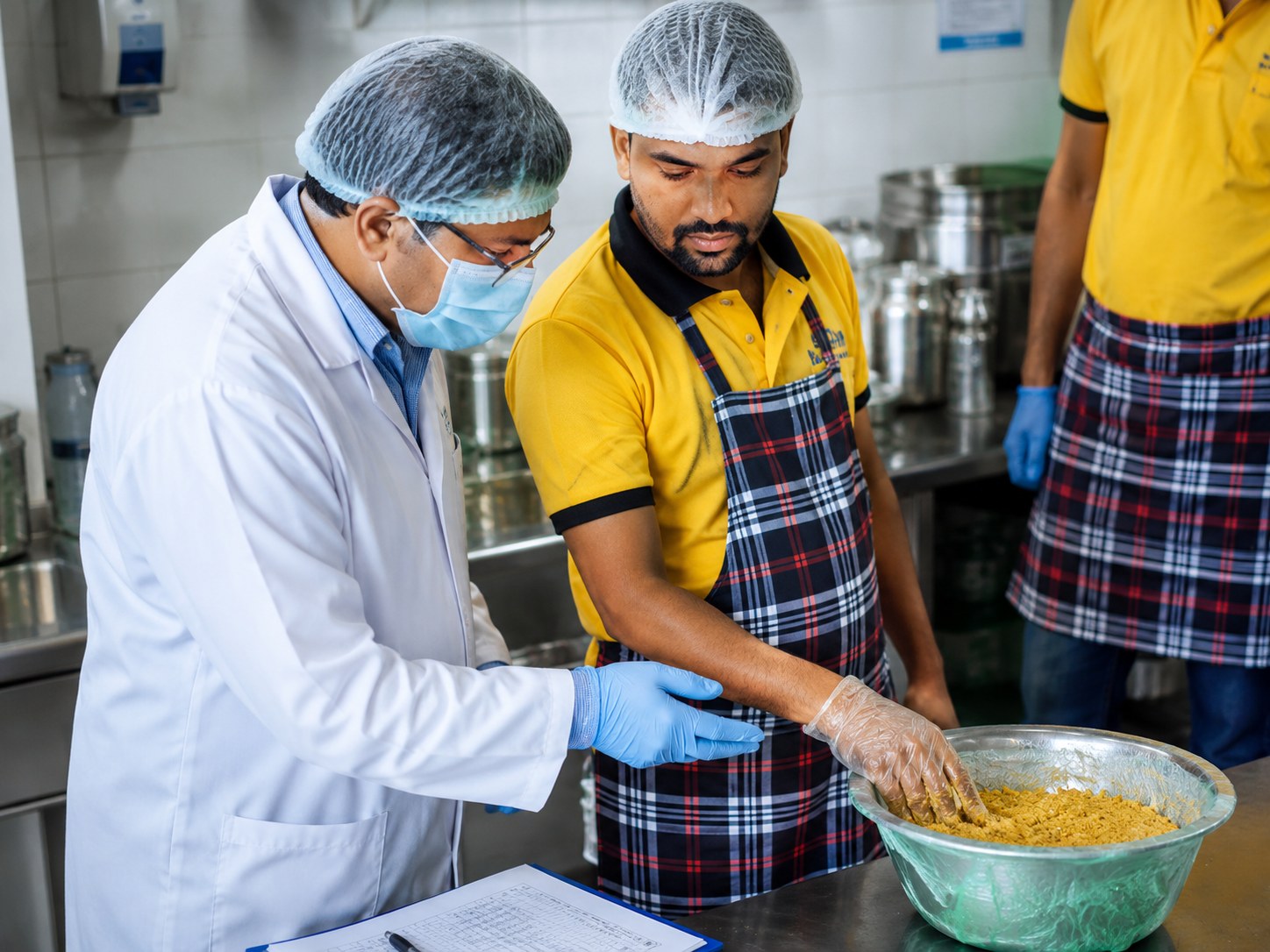
A quick-service restaurant chain passed checklist inspections yet faced recurring customer complaints — a sign that documentation was hiding gaps in on-ground practice.
Using our Observe → Audit → Test → Identify → Fix model, HydroLabs audited real operations during peak hours and validated hygiene with microbiological testing, delivering a decision-ready risk dashboard.
Food & water sampling, surface and hand swabs, TPC, coliforms, E. coli and Staphylococcus aureus across multiple outlets.
A chemical manufacturer needed reliable, defensible air-quality data to satisfy GPCB/CPCB requirements and avoid production stoppages during audits.
HydroLabs deployed a scheduled ambient and stack emission monitoring programme with calibrated instrumentation and LIMS-tracked reporting, plus DG-set and noise assessment.
PM2.5, PM10, SO2, NOx, VOC, stack particulate matter, ambient noise Leq dB(A) and source noise.

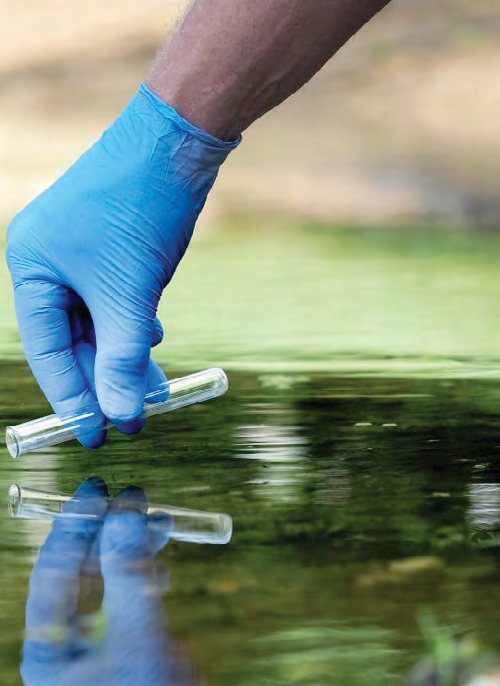
A municipal water board required consistent, accredited monitoring of drinking water quality across its distribution network to protect public health.
HydroLabs ran a routine potable-water monitoring programme with trained samplers, full chain-of-custody and standardised reporting against IS 10500 parameters.
All 37 drinking-water parameters including pH, TDS, hardness, alkalinity, fluoride, nitrate, residual chlorine and full microbiology.
A growing dairy brand needed to guarantee consistent quality and extend shelf life across milk, yoghurt and ice-cream lines ahead of retail expansion.
HydroLabs designed a combined chemical, microbiological and shelf-life study — benchmarking batches and identifying the microbiological drivers of spoilage.
Fat, SNF, protein, acidity, TPC, yeast & mould, coliforms and pathogen screening with accelerated shelf-life studies.
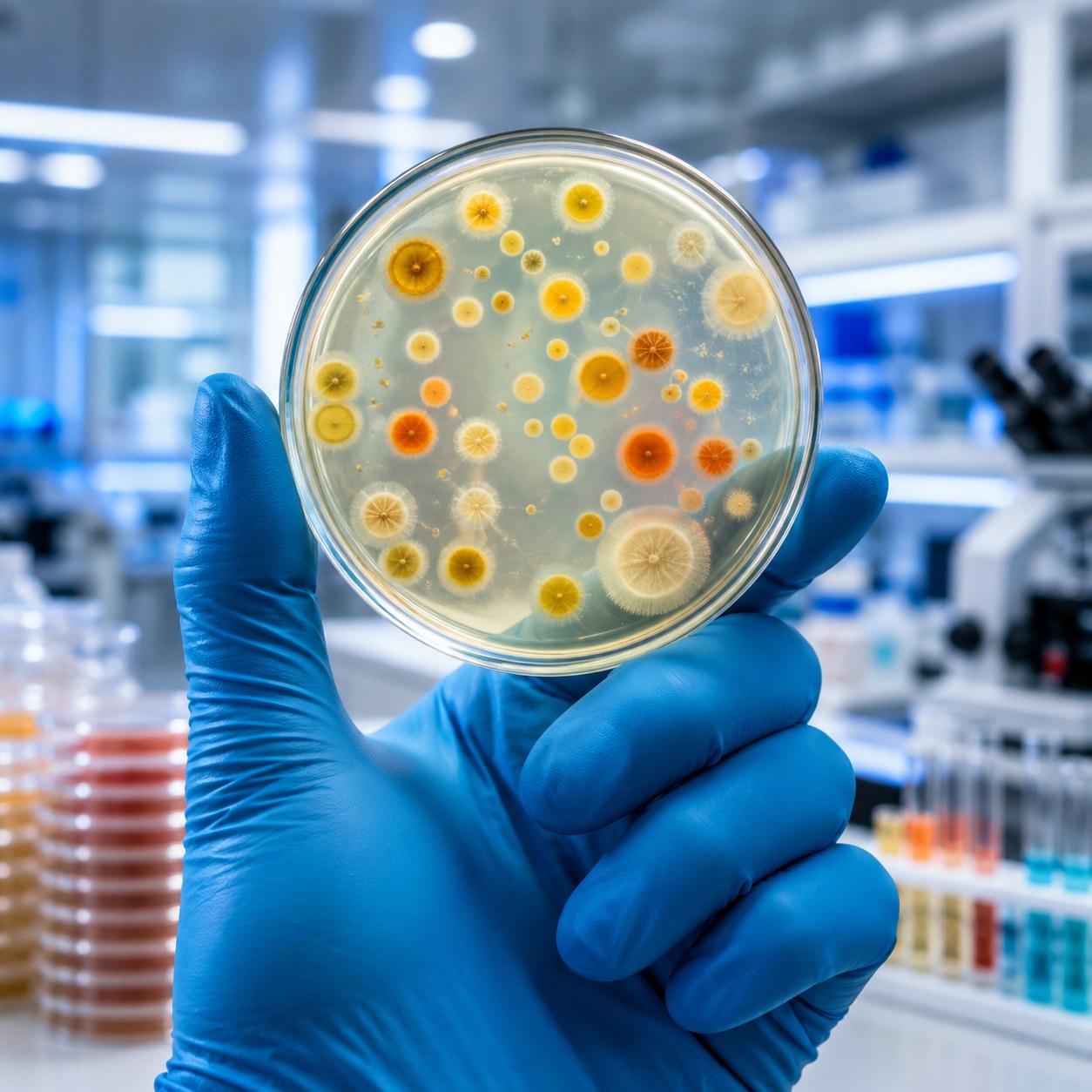
An FMCG manufacturer needed to validate hygiene in classified and non-classified areas to protect product integrity and meet customer audits.
HydroLabs implemented an environmental monitoring programme using swab, contact-plate and settle-plate exposure analysis, trending results to flag drift early.
Surface swabs, contact plates, settle plates, air viable counts and bioburden estimation across defined zones.
Bring us your toughest compliance or quality problem — we'll design the testing programme that gets you to a clear answer.